Nestled in the southeastern corner of Europe, the Balkan Peninsula holds a mosaic of cultures, histories, and landscapes that often escape the mainstream travel narrative. From the alpine serenity of Slovenia to the sun-drenched coasts of Montenegro, this region conceals layers of secrets waiting to be uncovered by those willing to venture beyond the surface.
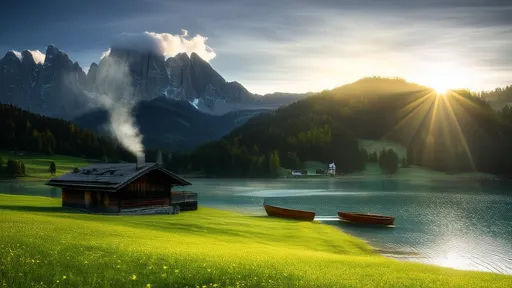
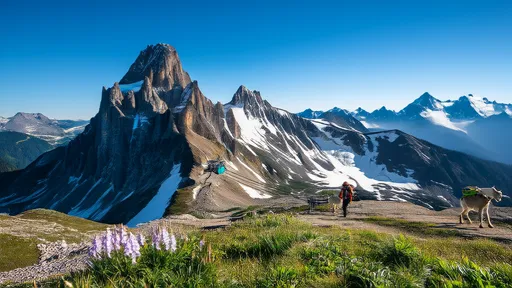
Slovenia, often regarded as the gateway to the Balkans, surprises visitors with its diversity compressed into a small territory. While Ljubljana charms with its Baroque and Art Nouveau architecture and lively café culture, the real secrets lie in the countryside. The subterranean wonderland of Postojna Cave, with its otherworldly formations, and the mystical Lake Bled, nestled amid towering peaks, evoke a sense of timelessness. Yet, lesser-known gems like the Soča Valley, with its emerald river cutting through rugged terrain, offer solitude and raw beauty far from the crowds.
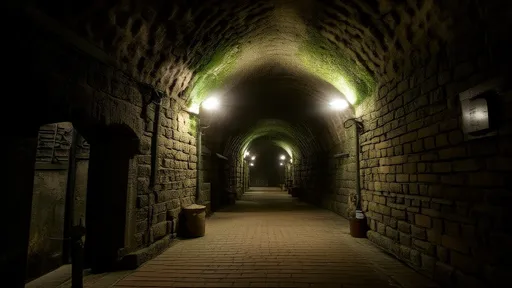
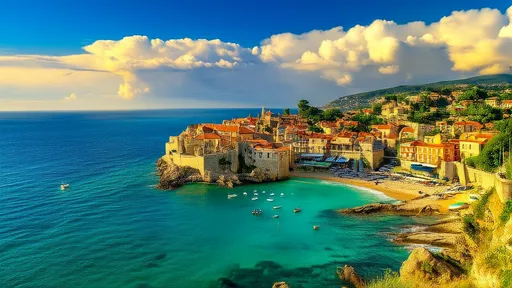
Croatia’s Dalmatian Coast draws throngs of tourists to its iconic walled cities and azure waters, but hidden inlets and forgotten villages tell deeper stories. Beyond Dubrovnik’s ancient stones and Split’s Roman ruins, the island of Vis whispers of a military past, with abandoned bunkers and tunnels now reclaimed by nature. Inland, the forested mountains of Gorski Kotar provide a refuge for wildlife and wanderers alike, where traditions of forestry and folk magic persist in quiet communities.
Bosnia and Herzegovina embodies the complex soul of the Balkans. Sarajevo, where East meets West in a vibrant tapestry of minarets and church spires, guards memories of resilience amid turmoil. But the true secrets unfold in the countryside—the mystical stećci (medieval tombstones) scattered like silent sentinels, the Una River’s thunderous waterfalls, and villages where time seems suspended. Here, the warmth of hospitality often contrasts with the weight of history, offering a poignant glimpse into the region’s spirit.
Serbia’s capital, Belgrade, pulses with energy, its fortress standing guard at the confluence of the Danube and Sava rivers. Yet, beyond the urban hustle, the country reveals serene monasteries adorned with frescoes, such as those in Fruška Gora, and the eerie beauty of Đavolja Varoš (Devil’s Town), where earth pyramids defy explanation. In the remote hamlets of Zlatibor, age-old crafts and culinary traditions endure, preserved by generations who have weathered countless transitions.
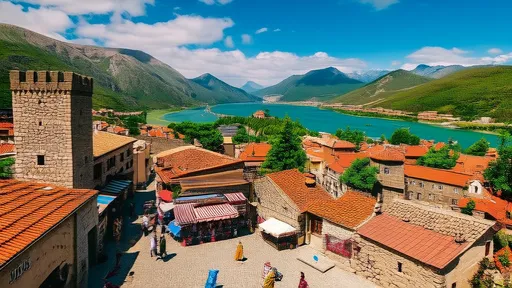
Montenegro, though small in size, packs a powerful punch with its dramatic landscapes. The Bay of Kotor, often called Europe’s southernmost fjord, is dotted with medieval towns where Venetian influences linger in cobblestone streets and fortress walls. But beyond the coastline, the Durmitor National Park beckons with its glacial lakes and rugged peaks, while the forgotten capital of Cetinje holds echoes of royalty and rebellion. Here, in the shadow of the mountains, one can still find communities living by the rhythms of the seasons, their stories woven into the very fabric of the land.
The Balkans, from Slovenia to Montenegro, guard their secrets not out of reluctance, but as a testament to their depth and resilience. To travel through this region is to peel back layers of history, culture, and nature, each revealing a narrative that is both uniquely local and universally human. It is a journey that rewards curiosity with profound connections and unforgettable discoveries.
By /Sep 1, 2025
By /Sep 1, 2025
By /Sep 1, 2025
By /Sep 1, 2025
By /Sep 1, 2025
By /Sep 1, 2025
By /Sep 1, 2025
By /Sep 1, 2025
By /Sep 1, 2025
By /Sep 1, 2025
By /Sep 1, 2025
By /Sep 1, 2025
By /Sep 1, 2025
By /Sep 1, 2025
By /Sep 1, 2025
By /Sep 1, 2025
By /Sep 1, 2025
By /Sep 1, 2025
By /Sep 1, 2025
By /Sep 1, 2025