There is a place at the edge of the world where the sky meets the sea in a dance of mist and myth. The Isle of Skye, cradled by the wild waters of Scotland’s northwest coast, is more than an island—it is a feeling, a whisper of ancient times, a landscape carved by giants and painted by storms. To walk here is to wander through a story that has been unfolding for millennia, a narrative written in stone, water, and light.
The journey to Skye feels like a passage into another realm. Whether crossing the bridge from Kyle of Lochalsh or arriving by ferry from Mallaig, the transition is palpable. The mainland, with its busy towns and motorways, recedes into memory, replaced by a raw, untamed beauty that demands attention and respect. The air changes, carrying the salt of the sea and the peat of the earth, a scent that is both invigorating and humbling.
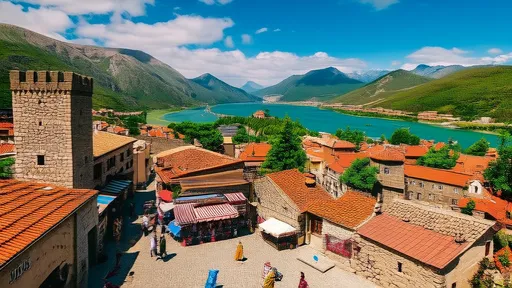
Portree, the island’s capital, greets visitors with a splash of color and a sense of warmth. Its harbor, lined with brightly painted buildings, bobs with fishing boats and yachts, while seagulls cry overhead. Here, one can taste the freshest seafood, caught just hours before, and feel the pulse of a community that has thrived against the odds. But Portree is merely the gateway; the true magic of Skye lies beyond, in the hills and glens that stretch toward the horizon.
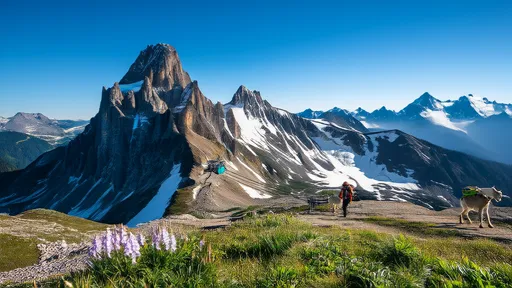
The Cuillin mountains dominate the southern skyline, their jagged peaks often shrouded in cloud. These are not gentle hills but fierce, rugged formations that challenge even the most experienced climbers. The Black Cuillin, forged from dark gabbro rock, are particularly formidable, their slopes sharp and unforgiving. Yet, for those who dare to venture into their embrace, the rewards are unparalleled. Views from the summits reveal a tapestry of lochs, valleys, and distant islands, a panorama that feels both infinite and intimate.
To the north, the landscape softens into rolling hills and dramatic coastlines. The Quiraing, a landslip of epic proportions, is a place of surreal beauty. Its twisted formations and hidden plateaus seem otherworldly, as if lifted from the pages of a fantasy novel. Walking here, one half expects to encounter dragons or ancient warriors emerging from the mist. The path winds through pinnacles and cliffs, each turn revealing a new wonder—a secret valley, a sheer drop, a glimpse of the sea below.
Not far from the Quiraing lies the Old Man of Storr, a towering pinnacle of rock that stands guard over the land. The hike to its base is steep but immensely rewarding. As you ascend, the view expands, unfolding like a map of dreams. The Storr itself is a remnant of an ancient landslide, a silent sentinel that has witnessed centuries of change. On cloudy days, the peak disappears into the fog, adding to its mystique. It is a place of pilgrimage for photographers, hikers, and dreamers alike.
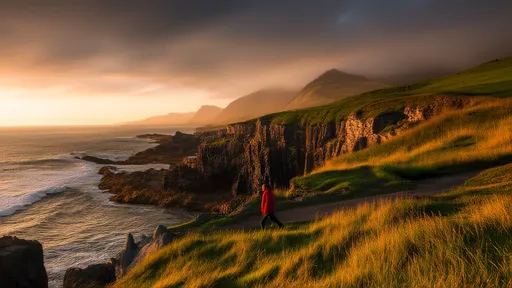
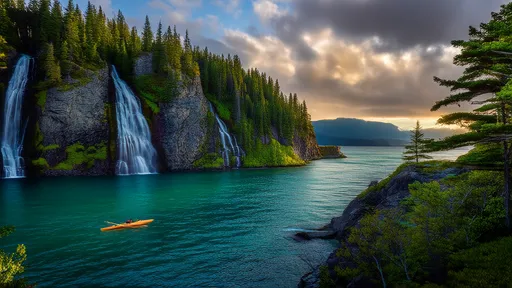
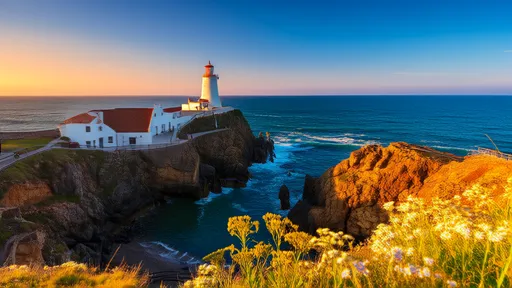
Skye’s coastline is equally mesmerizing. The Fairy Pools of Glen Brittle are a series of crystal-clear pools and waterfalls that cascade down from the Cuillins. Their waters, shades of blue and green that seem almost unnatural, invite brave souls to take a dip, regardless of the temperature. Further west, the Neist Point Lighthouse perches on the edge of cliffs that plunge into the Atlantic. Here, the wind howls with a ferocity that reminds you of nature’s power, while the cries of seabirds echo against the rocks.
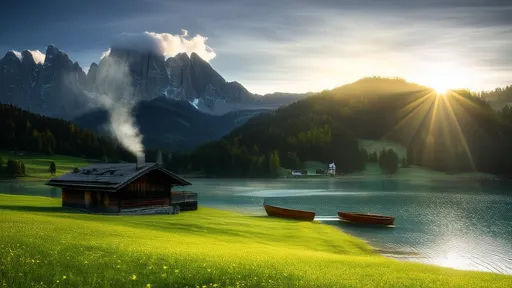
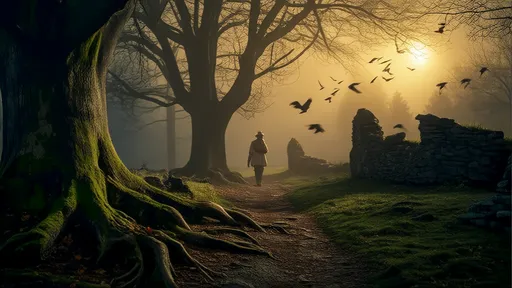
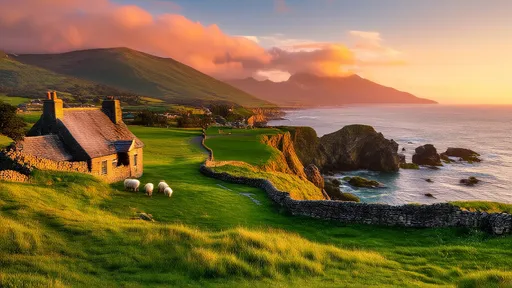
But Skye is not just about grand landscapes; it is also about the subtle details. The soft moss that carpets the forest floor, the delicate purple of heather in bloom, the sound of a stream trickling over smooth stones. It is in the quiet moments—a pause to watch the light shift over Loch Coruisk, or the sight of a lone sheep grazing on a hillside—that the island’s soul reveals itself.
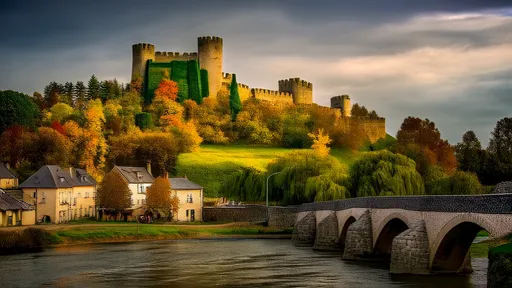
The history of Skye is etched into its soil. Ruined crofts and castles speak of a turbulent past, of clans and clearances, of resilience and loss. Dunvegan Castle, the ancestral home of the MacLeod clan, has stood for over 800 years, its walls echoing with stories of chiefs and battles, romance and legend. The Fairy Flag, housed within, is said to possess magical powers, a symbol of the mysticism that permeates the island.
Yet, for all its ancient allure, Skye is very much alive. The Gaelic language still whispers in the wind, heard in the place names and the songs of locals. Music is the heartbeat of the island, with ceilidhs in village halls and the sound of fiddles drifting from pubs. In places like the Talisker Distillery, the art of whisky-making is practiced with passion, each dram a taste of the land itself—smoky, robust, and unforgettable.
To walk on Skye is to embrace the elements. The weather here is a character in its own right, changing in an instant from sunshine to rain, from calm to storm. A day might begin with mist so thick it obscures everything beyond a few feet, only to clear abruptly, revealing skies of breathtaking blue. This unpredictability is part of the island’s charm, a reminder that nature cannot be tamed or scheduled.
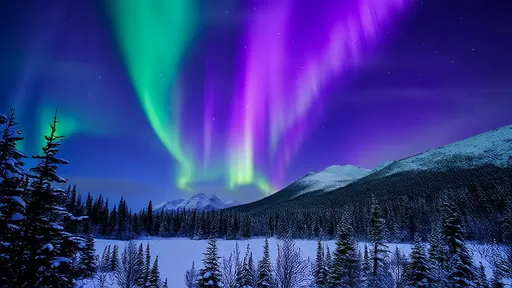
As evening falls, the light takes on a golden quality, casting long shadows and painting the hills in hues of amber and rose. Sunsets over the sea are spectacular, but it is the night that truly captivates. With minimal light pollution, the sky becomes a canvas of stars, the Milky Way stretching from horizon to horizon. On clear nights, the aurora borealis might make an appearance, dancing in ribbons of green and purple—a celestial celebration.
Leaving Skye is never easy. The island lingers in the mind long after you have departed, its landscapes imprinted on your soul. It is a place that calls you back, promising new discoveries with each visit. For in Skye, every path leads to wonder, every glance holds beauty, and every step feels like a journey into the very heart of the world.
In the end, Skye is more than a destination; it is an experience. It is the feeling of rain on your face and wind in your hair, the taste of salt and whisky, the sound of Gaelic and laughter. It is the sense of standing on the edge of everything, yet feeling completely at home. To wander here is to remember that we are part of something vast and ancient, something wild and wonderful. And in that remembering, we find ourselves.
By /Sep 1, 2025
By /Sep 1, 2025

By /Sep 1, 2025
By /Sep 1, 2025
By /Sep 1, 2025
By /Sep 1, 2025
By /Sep 1, 2025
By /Sep 1, 2025
By /Sep 1, 2025
By /Sep 1, 2025
By /Sep 1, 2025
By /Sep 1, 2025
By /Sep 1, 2025
By /Sep 1, 2025
By /Sep 1, 2025
By /Sep 1, 2025
By /Sep 1, 2025
By /Sep 1, 2025
By /Sep 1, 2025
By /Sep 1, 2025