Conquering the Alps is a dream for many outdoor enthusiasts, and Switzerland stands as the crown jewel of this majestic mountain range. With its pristine landscapes, well-marked trails, and rich cultural heritage, it offers an unparalleled hiking experience that beckons adventurers from around the globe. Whether you are a seasoned trekker or a casual walker, the Swiss Alps provide a diverse array of routes that cater to all levels of fitness and ambition. This guide aims to equip you with everything you need to know to embark on your ultimate Swiss hiking adventure, from preparation and route selection to cultural insights and practical tips.
The allure of the Swiss Alps lies not only in their breathtaking beauty but also in their accessibility. Switzerland boasts an extensive network of trails that are meticulously maintained and clearly signposted, making it relatively easy to navigate even for those unfamiliar with the terrain. The country’s efficient public transportation system further enhances the experience, allowing hikers to reach remote trailheads with ease and flexibility. From the iconic peaks of the Matterhorn and Eiger to the serene beauty of its valleys and lakes, every step in the Alps reveals a new wonder, making each journey uniquely rewarding.
Before setting foot on the trails, thorough preparation is essential to ensure a safe and enjoyable experience. The weather in the Alps can be unpredictable, with conditions changing rapidly from sunny skies to thunderstorms or even snow, depending on the altitude and season. It is crucial to check forecasts regularly and pack accordingly, layering clothing to adapt to temperature fluctuations. Sturdy, broken-in hiking boots are non-negotiable, as they provide the necessary support and traction on varied surfaces, from rocky paths to grassy slopes. Additionally, carrying a detailed map, a compass or GPS device, and a fully charged phone can be lifesavers in case of unexpected detours or emergencies.
Hydration and nutrition are equally important aspects of preparation. While many trails pass by mountain huts or villages where you can refill water bottles and purchase snacks, it is wise to carry at least two liters of water per person and high-energy foods like nuts, dried fruits, and energy bars. The physical demands of hiking at high altitudes can be strenuous, so maintaining energy levels is key to avoiding fatigue. Acclimatization is also recommended for those attempting higher elevations; spending a day or two at intermediate altitudes can help your body adjust and reduce the risk of altitude sickness.
Choosing the right trail is perhaps the most exciting part of planning your Alpine adventure. Switzerland offers routes for every preference, from gentle day hikes to multi-day treks that traverse entire regions. The Haute Route, for instance, is a classic long-distance trail that connects Chamonix in France to Zermatt in Switzerland, offering spectacular views of glaciers and peaks over its two-week duration. For those seeking a shorter but equally impressive journey, the Five Lakes Walk near Zermatt provides a manageable day hike with stunning reflections of the Matterhorn in its crystal-clear waters.
Another iconic option is the Via Alpina, a network of trails that crosses the entire country, divided into manageable stages that can be tackled individually or as a whole. Each stage reveals different facets of Switzerland’s natural and cultural diversity, from the lush greenery of the pre-Alps to the rugged grandeur of the high mountains. For families or less experienced hikers, regions like the Jungfrau area offer well-groomed paths with minimal elevation gain, ensuring that everyone can enjoy the beauty of the Alps without overwhelming physical challenges.
Cultural immersion is an integral part of hiking in Switzerland. The Alpine regions are steeped in tradition, and many trails pass through charming villages where you can experience local hospitality firsthand. Mountain huts, known as Berghütten, are not just places to rest but cultural landmarks where hikers can enjoy hearty Swiss cuisine, such as cheese fondue or rösti, while sharing stories with fellow travelers. Respecting local customs and environments is paramount; always follow the principle of Leave No Trace, disposing of waste properly and minimizing your impact on the fragile ecosystem.
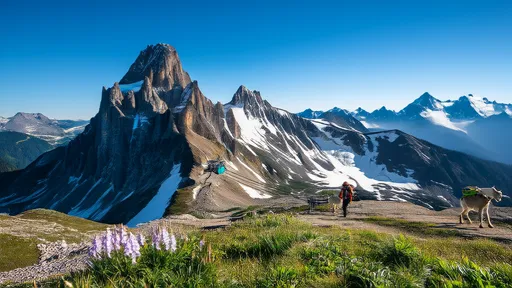
Wildlife encounters are another highlight of Alpine hiking. The mountains are home to diverse species, including ibex, chamois, and marmots, which can often be spotted in their natural habitats. Observing these animals from a distance is a thrilling experience, but it is important to avoid disturbing them or feeding them, as human interaction can disrupt their natural behaviors. Similarly, the Alpine flora is delicate and protected; sticking to marked paths helps preserve the vibrant meadows of wildflowers that paint the landscape in summer.
Timing your hike can significantly influence your experience. The prime hiking season in the Swiss Alps typically runs from June to September, when most trails are snow-free and mountain huts are fully operational. July and August are the busiest months, offering warm weather and long daylight hours but also larger crowds. For those seeking solitude, late June or early September can be ideal, with quieter trails and still-favorable conditions. Shoulder seasons like May or October present opportunities for hiking at lower elevations, though higher routes may be inaccessible due to snow.
Safety should always be a priority while hiking in the Alps. Even on well-maintained trails, risks such as sudden weather changes, rockfalls, or steep drop-offs exist. It is advisable to hike with a partner or group, inform someone of your itinerary, and turn back if conditions deteriorate. Many regions offer guided tours for those who prefer expert companionship, which can enhance both safety and learning. Additionally, investing in travel insurance that covers mountain rescue is a prudent step, as emergency services in remote areas can be costly.
Beyond the physical journey, hiking in the Swiss Alps is a transformative experience that fosters a deep connection with nature and oneself. The solitude of the mountains, the rhythm of your footsteps, and the sheer scale of the landscapes inspire reflection and rejuvenation. Whether you are watching the sunrise from a peak or enjoying a quiet moment by an Alpine lake, these memories become treasures that last a lifetime. As you plan your adventure, remember that conquering the Alps is not about speed or distance but about embracing the journey with curiosity and respect.
In conclusion, Switzerland’s Alpine trails offer a perfect blend of natural splendor, cultural richness, and adventure. With careful preparation, a spirit of exploration, and an appreciation for the environment, your hike can be both safe and profoundly rewarding. So lace up your boots, pack your bag, and set out to discover the magic of the Swiss Alps—one step at a time.

By /Sep 1, 2025
By /Sep 1, 2025
By /Sep 1, 2025
By /Sep 1, 2025
By /Sep 1, 2025
By /Sep 1, 2025
By /Sep 1, 2025
By /Sep 1, 2025
By /Sep 1, 2025

By /Sep 1, 2025
By /Sep 1, 2025

By /Sep 1, 2025
By /Sep 1, 2025
By /Sep 1, 2025
By /Sep 1, 2025
By /Sep 1, 2025
By /Sep 1, 2025
By /Sep 1, 2025
By /Sep 1, 2025

By /Sep 1, 2025