In the quiet hum of a modern kitchen, a revolution is brewing—one that operates at frequencies beyond human hearing yet promises to transform our most fundamental culinary experiences. Ultrasonic technology, long a staple in industrial cleaning and medical imaging, is now poised to redefine how we approach food preparation, from deep cleaning produce to infusing flavors with unprecedented precision. This isn't the stuff of science fiction; it's the imminent future of culinary innovation, where sound waves become the invisible sous-chef in households worldwide.
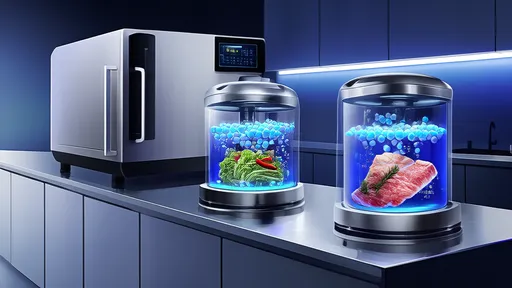
The principle behind ultrasonic technology is both elegant and powerful. By generating high-frequency sound waves—typically above 20 kHz—ultrasonic devices create microscopic bubbles in liquid through a process called cavitation. These bubbles form and collapse with immense energy, producing shockwaves that can dislodge dirt, bacteria, and even pesticides from the surfaces of fruits and vegetables. For decades, this technology has been employed in industries ranging from jewelry cleaning to semiconductor manufacturing, but its potential in the domestic kitchen has remained largely untapped—until now.
Imagine placing a basket of freshly bought strawberries into a sleek countertop device, adding water, and pressing a button. Within minutes, ultrasonic waves penetrate every crevice of the berries, removing up to 99% of surface contaminants without the abrasive scrubbing that often damages delicate skins. This isn't merely about convenience; it's about safety and sustainability. With growing concerns over foodborne illnesses and chemical residues, ultrasonic cleaning offers a non-toxic, water-efficient alternative to traditional washing methods. Studies have shown that ultrasonic cleaning can significantly reduce microbial loads on produce, extending shelf life and reducing food waste—a silent victory in the fight against both pathogens and spoilage.
But the applications don't end at cleaning. Ultrasonics is now venturing into the art of marination, challenging centuries-old techniques with its speed and efficiency. Marinating meat has always been a patient chef's game, requiring hours—if not days—for flavors to penetrate deep into tissues. Ultrasonic marination disrupts this timeline dramatically. By using sound waves to create microscopic channels in proteins, it allows marinades to seep into meats in minutes rather than hours. The result? A perfectly seasoned chicken breast or steak with depth of flavor that traditionally would require overnight preparation.
The science behind this culinary acceleration is fascinating. Ultrasonic waves cause rapid compression and expansion in food tissues, effectively "massaging" the marinade into the meat at a cellular level. This not only enhances flavor penetration but also improves tenderness by breaking down connective tissues. Home cooks could soon achieve restaurant-quality results with unprecedented speed, while food manufacturers might revolutionize their production lines, reducing marination times from days to minutes without compromising quality.
Beyond cleaning and marinating, ultrasonic technology holds promise for other kitchen applications. Emulsification—the blending of typically unmixable liquids like oil and water—could become instantaneous with ultrasonic homogenizers, creating perfect salad dressings or mayonnaise without stabilizers. Extraction of flavors and nutrients from herbs, spices, and teas might be enhanced through ultrasonic assistance, pulling more essence into infusions. Even baking could see innovations, with ultrasonics potentially influencing crystallization processes in chocolates or aeration in batters.
As with any emerging technology, challenges remain. Consumer adoption requires devices that are not only effective but also affordable, user-friendly, and safe. Early ultrasonic cleaners for kitchens are already hitting markets in Asia, with global expansion imminent. Design innovations are making these devices more compact and aesthetically pleasing, transforming them from laboratory equipment into desirable kitchen gadgets. Energy consumption and durability questions linger, but ongoing advancements in transducer technology and materials science are steadily addressing these concerns.
The regulatory landscape will also play a crucial role. As ultrasonic kitchen devices proliferate, standards must ensure they meet food safety requirements without unintended consequences. Research continues to optimize frequencies and power levels for different foods, ensuring effectiveness while preserving nutritional quality and taste. The good news is that decades of industrial and medical use have already established ultrasonics as generally safe when properly calibrated.
Looking ahead, the integration of ultrasonics with other smart kitchen technologies paints an exciting picture. Imagine IoT-enabled ultrasonic cleaners that automatically adjust settings based on the type of produce detected, or marination devices that sync with recipe apps to deliver precise flavor profiles. These could become nodes in the connected kitchen ecosystem, sharing data and learning from user preferences to continuously improve performance.
Ultimately, ultrasonic technology in the kitchen represents more than just another gadget; it signifies a shift toward precision food preparation rooted in science. In a world where time, safety, and sustainability are increasingly precious, harnessing the power of sound waves offers elegant solutions to age-old culinary challenges. As research progresses and costs decline, we may soon wonder how we ever cooked without these invisible waves working their magic—transforming not just how we clean and flavor our food, but our very relationship with the art of cooking itself.
The quiet revolution of ultrasonics is coming to a kitchen near you. It won't shout its presence with loud noises or flashy displays—its power lies in frequencies beyond hearing, working silently to make our food cleaner, tastier, and safer. The future of culinary technology is here, and it sounds absolutely brilliant.

By /Aug 29, 2025
By /Aug 29, 2025
By /Aug 29, 2025

By /Aug 29, 2025

By /Aug 29, 2025
By /Aug 29, 2025
By /Aug 29, 2025
By /Aug 29, 2025

By /Aug 29, 2025
By /Aug 29, 2025
By /Aug 29, 2025

By /Aug 29, 2025
By /Aug 29, 2025
By /Aug 29, 2025

By /Aug 29, 2025
By /Aug 29, 2025
By /Aug 29, 2025

By /Aug 29, 2025
By /Aug 29, 2025
By /Aug 29, 2025