In the culinary world, time often dictates quality. Traditional curing methods, revered for their depth of flavor and perfect texture, typically demand a significant investment of this precious resource. A seven-day brine or dry cure has long been the gold standard for products like salmon, duck breast, or even certain cuts of pork. The process is slow, allowing salt and seasonings to penetrate the muscle fibers gradually, drawing out moisture and concentrating flavors in a dance that cannot be rushed—or so we thought. A revolutionary technique is challenging this age-old axiom, promising to deliver results indistinguishable from a week-long cure in a mere 24 hours. This method leverages a fundamental principle of physics: vacuum sealing.
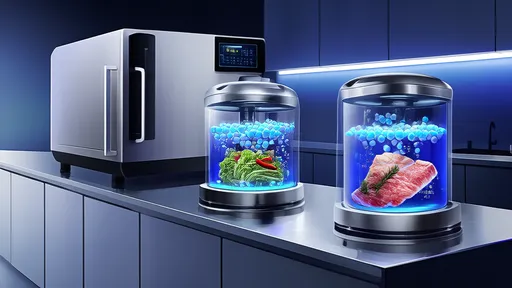
The science behind this accelerated process is both elegant and straightforward. Traditional curing relies on diffusion and osmosis. Salt on the surface of the food draws out internal moisture, creating a concentrated brine that is then slowly absorbed back into the food, carrying the seasoning along with it. This back-and-forth exchange is passive and time-consuming, as it is limited by atmospheric pressure and the natural density of the food's tissue. The vacuum sealer fundamentally changes this environment. By removing the air from the bag containing the food and its cure, the machine creates a negative pressure environment around the product.
This negative pressure acts as a powerful catalyst. With the atmospheric pressure significantly reduced outside the food, the internal pressure of the moisture within the cells becomes relatively higher. This pressure differential aggressively forces the water out of the cells and into the cure mixture much more rapidly and efficiently than in an open container. Furthermore, the absence of air ensures that the cure—whether a wet brine or a dry rub—maintains intimate and constant contact with the entire surface area of the food. There are no air pockets or exposed surfaces to dry out unevenly; the transfer of salt and flavor is relentless and uniform.
The implications of this are profound for texture and flavor development. Because the vacuum process accelerates the initial moisture extraction phase, the product firms up considerably faster. This is crucial for items like gravlax or prosciutto, where a firm, dense texture is desirable. The rapid dehydration also means the reabsorption phase begins sooner. The concentrated cure, now mixed with the expressed juices, is forced back into the tissue under pressure, deeply infusing it with seasoning in a fraction of the traditional time. The result is a product that possesses the hallmark firm texture and concentrated flavor profile of a week-long cure, achieved overnight.
Mastering the 24-hour vacuum cure requires a mindful approach to the cure itself. The principle of "more pressure, less time" does not equate to "more salt, less time." Using the same salt quantity intended for a seven-day cure in a 24-hour vacuum process would result in an inedibly salty, harsh product. The accelerated transfer rate means the recipe must be adjusted to compensate. A good starting point is to reduce the salt content in your standard cure recipe by approximately 25-30%. The goal is to allow the vacuum process to do the heavy lifting of penetration, not to overwhelm the food with seasoning.
The choice between a wet brine and a dry cure is still applicable, albeit with modifications. For a wet brine, the vacuum method is exceptionally effective. Submerging a protein in a seasoned brine solution inside a vacuum bag and then sealing it ensures every micron of the surface is treated. The pressure forces the liquid into the flesh, brining it from the outside in and inside out simultaneously. For dry cures, the vacuum bag serves to press the salt and spice mixture firmly into the flesh, preventing it from falling off and creating a pasty, concentrated layer that penetrates efficiently.
Beyond salt, the vacuum environment intensifies the infusion of aromatics and spices. Herbs like dill, thyme, or rosemary, aromatics like citrus zest, crushed peppercorns, or juniper berries, and sweeteners like sugar or maple syrup are all pulled into the food with greater intensity. The flavors are often brighter and more pronounced than in a lengthier cure, where some top notes can diminish over time. This allows for incredible creativity and precision in flavor profiling, as the end result is a much more direct translation of the cure mixture into the final product.
For the culinary professional or the avid home cook, the benefits are immense. This technique drastically reduces lead time, enabling restaurant chefs to cure products to order or respond quickly to menu changes. It also minimizes the risk of spoilage and oxidation that can occur with longer cures exposed to air, even in a refrigerator. The sealed environment is inherently more hygienic and stable. Furthermore, it demystifies and democratizes the curing process, making what was once a days-long commitment accessible for a weekday meal.
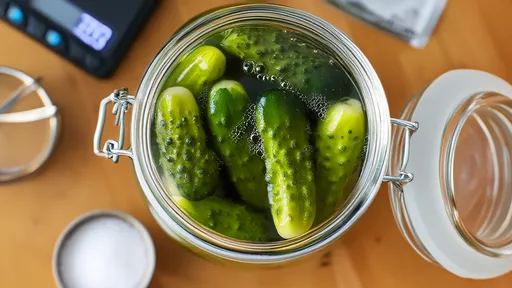
Of course, this is not a wholesale replacement for all traditional curing. Some products, like long-aged salumi or country hams, rely on slow, controlled enzymatic breakdown and moisture loss over weeks or months to develop their unique complex flavors and textures—a process that cannot be replicated in a day. The vacuum method excels with quick cures for immediate consumption. It is the perfect technique for salmon, trout, chicken breasts, duck, pork tenderloin, and even vegetables like cucumbers or carrots for quick pickles.
The procedure is simple. Season the food with your adjusted dry cure or place it in a bag with your wet brine. Ensure the food is in a single layer for even pressure distribution. Seal the bag with a vacuum sealer, ensuring a strong, airtight seal. Place the sealed bag on a tray or plate (as a precaution against potential leaks) and refrigerate for the designated time, usually between 18 and 24 hours. Halfway through, it is advisable to flip the bag to redistribute the liquid and ensure even curing. Once the time is up, remove the product from the bag, rinse off any excess cure if necessary, pat it dry, and it is ready to be sliced and served.
In conclusion, the application of vacuum sealing to the art of curing is a testament to how modern technology can elegantly intersect with ancient culinary practices. It respects the fundamental science of curing while using physics to remove the single greatest barrier: time. By creating a pressurized environment that supercharges osmosis and diffusion, it allows us to achieve the texture, flavor concentration, and culinary excellence of a traditional seven-day cure within a single day. It is a powerful tool that expands creative possibilities and brings gourmet results within easier reach.
By /Aug 29, 2025
By /Aug 29, 2025
By /Aug 29, 2025

By /Aug 29, 2025

By /Aug 29, 2025
By /Aug 29, 2025
By /Aug 29, 2025
By /Aug 29, 2025

By /Aug 29, 2025
By /Aug 29, 2025
By /Aug 29, 2025
By /Aug 29, 2025
By /Aug 29, 2025
By /Aug 29, 2025

By /Aug 29, 2025
By /Aug 29, 2025
By /Aug 29, 2025

By /Aug 29, 2025
By /Aug 29, 2025
By /Aug 29, 2025