In a small classroom in suburban Tokyo, a group of elementary students carefully arranges vibrant vegetables on their plates while their teacher explains the journey of these ingredients from farm to table. This scene, repeated daily across Japan, represents more than just lunchtime—it embodies the nation's profound commitment to Shokuiku, a comprehensive food education philosophy that has been transforming how societies approach nutrition, culture, and sustainability.
The concept of Shokuiku formally entered Japan's national consciousness in 2005 when the Basic Law on Shokuiku was enacted, making Japan the first country to legislate food education as national policy. However, its roots dig much deeper into Japanese cultural soil, drawing from centuries of culinary tradition, seasonal eating practices, and the philosophical understanding that food represents both physical nourishment and spiritual connection. What began as a response to growing concerns about Westernized diets, rising obesity rates, and disconnected food systems has evolved into a holistic educational approach that other nations now look to for inspiration.
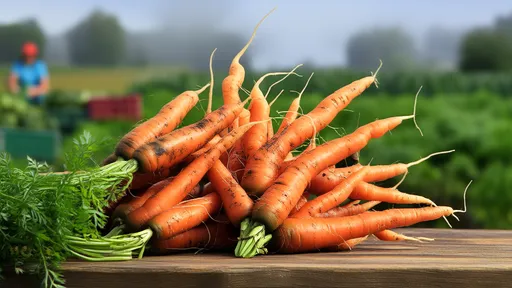
At its core, Shokuiku represents a paradigm shift from simply teaching children what to eat to helping them understand why certain food choices matter. Japanese schools integrate food education throughout the curriculum—science classes explore plant biology and ecosystems, math lessons incorporate meal planning and proportions, social studies examine global food systems, and home economics becomes a laboratory for practical life skills. Students don't just learn about nutrition charts; they plant school gardens, visit local farms, prepare traditional meals, and understand the cultural significance of different foods during seasonal festivals and celebrations.
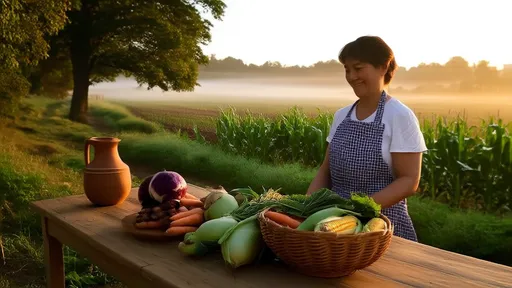
The implementation of Shokuiku extends beyond school walls into community partnerships that reinforce its principles. Local farmers regularly visit classrooms, supermarkets host educational tours explaining product sourcing, and families receive guidance through community centers about creating balanced meals. This multi-layered approach ensures that children receive consistent messages about food from multiple trusted sources, creating what educators call a "food education ecosystem" where learning continues at home, in markets, and throughout the community.
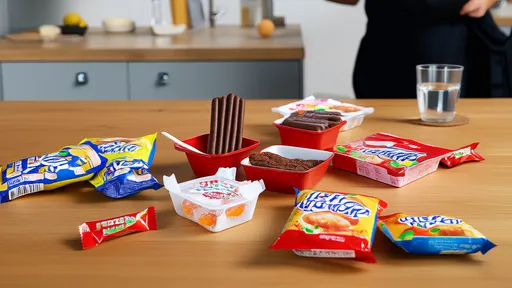
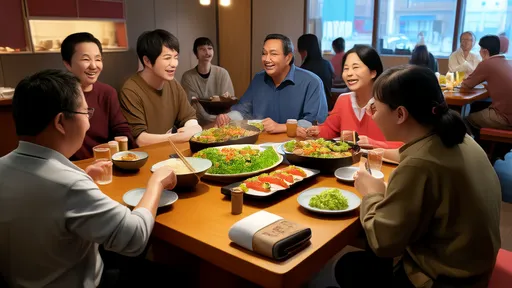
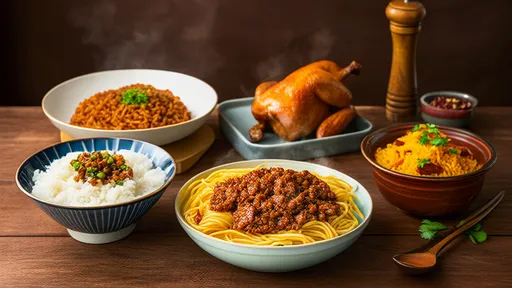
Perhaps the most visible manifestation of Shokuiku occurs in Japanese school lunches, known as kyushoku. Unlike typical cafeteria fare in many countries, these meals are designed as educational experiences. Students serve each other while learning portion control and cooperation, menus feature diverse traditional dishes using seasonal ingredients, and nutrition information connects to classroom learning. The meals become practical lessons in balance, moderation, and appreciation—children learn that food represents effort, nature's gifts, and cultural heritage, not just fuel consumption.
As globalization alters food landscapes worldwide, the international education community has begun looking toward Japan's model with growing interest. Countries facing childhood nutrition crises—from rising diabetes rates in America to vitamin deficiencies in Europe—recognize that traditional nutrition education has largely failed to change behavior. Shokuiku offers a more comprehensive approach that addresses not just biological needs but psychological, social, and cultural dimensions of eating. Researchers studying its effectiveness note that Japanese children demonstrate higher nutritional literacy, more diverse palates, and better understanding of food origins than their international peers.
The international adaptation of Shokuiku principles has already begun taking various forms across different cultural contexts. In France, schools have incorporated "taste education" programs that encourage sensory exploration of food. British educators have developed farm-to-school initiatives that mirror Japan's agricultural connections. California's "Edible Schoolyard" project, pioneered by chef Alice Waters, shares Shokuiku's hands-on philosophy by turning school grounds into productive gardens and kitchens into learning laboratories. What these programs share is the fundamental Shokuiku insight that effective food education must engage hands, hearts, and minds simultaneously.
Implementing Shokuiku outside Japan presents both challenges and opportunities for cultural adaptation. The approach must respect local food traditions while addressing specific regional nutritional issues. In Mediterranean countries, this might emphasize revtraditional olive oil and vegetable consumption amid increasing fast food adoption. In Southeast Asia, programs might focus on reducing excessive sugar in beverages while preserving healthy traditional ingredients like lemongrass and turmeric. The flexibility of Shokuiku's philosophy—focusing on principles rather than prescriptions—allows for meaningful localization while maintaining core educational values.
Technology has created new frontiers for Shokuiku's global expansion. Interactive apps now help children track their food choices, virtual farm tours bring agricultural experiences to urban classrooms, and international video exchanges allow students to share food cultures across continents. These digital tools complement rather than replace the hands-on experiences central to Shokuiku, creating hybrid learning models that could accelerate global adoption. Japanese organizations have begun sharing open-source Shokuiku resources multi languages, recognizing that food education represents a universal challenge requiring global cooperation.
The timing for Shokuiku's international relevance has never been more critical. Climate change, industrial agriculture, and processed food proliferation have created a perfect storm of nutritional, environmental, and cultural challenges. Children growing up today will face complex decisions about food systems that previous generations never contemplated. Shokuiku equips them with not just knowledge but wisdom—understanding the interconnectedness of food choices, environmental impact, cultural preservation, and personal health. This comprehensive perspective may prove essential for developing generations capable of creating more sustainable and equitable food futures.
Looking forward, the global evolution of Shokuiku will likely continue blending Japanese principles with local wisdom. Indigenous knowledge about native plants, traditional cooking methods preserved by grandmothers, and contemporary nutritional science all contribute to creating robust food education systems. The most successful adaptations will likely be those that honor Shokuiku's holistic philosophy while embracing cultural diversity—recognizing that while Japanese implementation provides an inspiring model, each culture must find its own path to food education that resonates with its unique culinary heritage and contemporary challenges.
From Tokyo classrooms to global educational conferences, Shokuiku has demonstrated that changing food culture begins with changing how we educate children about food. Its gradual international adoption represents more than just another educational trend—it signals growing recognition that food literacy deserves the same emphasis as other fundamental literacies in preparing children for complex futures. As the world grapples with interconnected food, health, and environmental crises, this Japanese-born philosophy offers hope that through thoughtful education, future generations might develop healthier relationships with food, nature, and each other.

By /Aug 29, 2025
By /Aug 29, 2025

By /Aug 29, 2025
By /Aug 29, 2025
By /Aug 29, 2025

By /Aug 29, 2025

By /Aug 29, 2025

By /Aug 29, 2025

By /Aug 29, 2025

By /Aug 29, 2025

By /Aug 29, 2025

By /Aug 29, 2025

By /Aug 29, 2025

By /Aug 29, 2025

By /Aug 29, 2025

By /Aug 29, 2025

By /Aug 29, 2025
By /Aug 29, 2025
By /Aug 29, 2025
By /Aug 29, 2025